Healthiest Meal Plan for a Day: Simple Balanced Menu
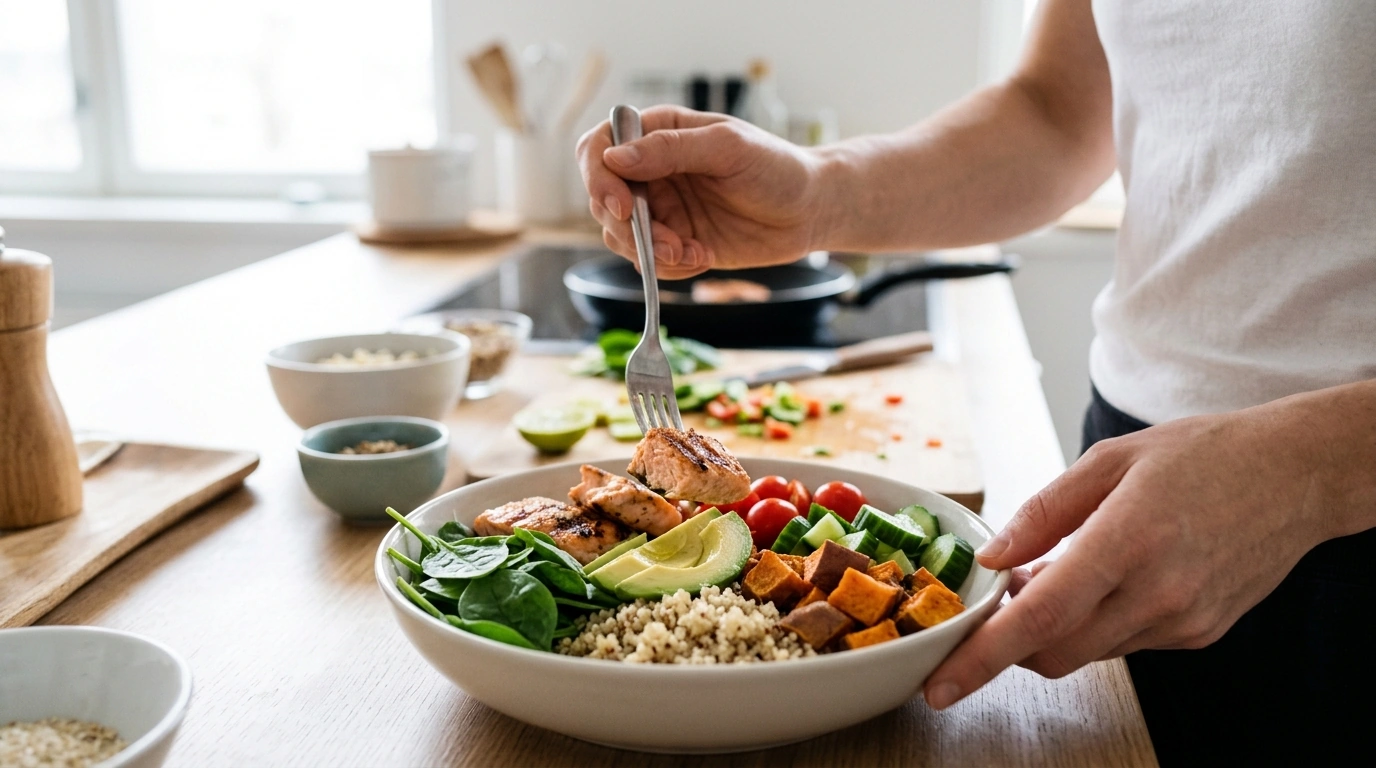
What is the healthiest meal plan for a day?
A healthy day of eating is built around steady energy, enough protein, plenty of fiber, and a wide mix of colorful plants. The “best” plan is one you can repeat most days, adjusting portions to your hunger, goals, and activity level while keeping meals minimally processed and balanced.
A simple healthiest day meal plan (example)
Breakfast
Greek yogurt parfait: plain Greek yogurt, berries, and a sprinkle of chia or ground flax, plus a handful of walnuts. Add a slice of whole-grain toast if you need more carbs for morning workouts. This combo delivers protein, probiotics, fiber, and healthy fats.
Mid-morning snack (optional)
An apple (or pear) with natural peanut butter, or a small handful of almonds. Keep snacks purposeful: they should prevent energy crashes, not replace meals.
Lunch
Big salad bowl with leafy greens, mixed vegetables, quinoa or brown rice, chickpeas or grilled chicken, and an olive oil–lemon dressing. Aim for at least 2 colors of veggies plus a protein source and a smart carb for sustained fullness.
Afternoon snack (optional)
Baby carrots and hummus, or cottage cheese with sliced cucumber and cherry tomatoes. If dinner is late, prioritize protein and fiber here.
Dinner
Salmon (or tofu) with roasted vegetables (broccoli, Brussels sprouts, peppers) and a side of sweet potato. This supports heart health with omega-3s (or plant protein), plus potassium, antioxidants, and satisfying complex carbs.
Hydration
Water throughout the day, plus unsweetened tea or coffee if desired. If you sweat a lot, include electrolytes from foods (fruit, dairy, soups) or a low-sugar option.
For more guidance and ideas you can rotate through the week, visit the main article on the healthiest meal plan for a day.
FAQ
What should I eat if I want a healthy meal plan but don’t like cooking?
Choose simple “assembly” meals: bagged salad kits plus rotisserie chicken, microwavable brown rice with canned beans and salsa, and yogurt with fruit and nuts. Read labels and prioritize higher-protein, lower-added-sugar options.












Leave a comment